
 English
 Italiano
 Español
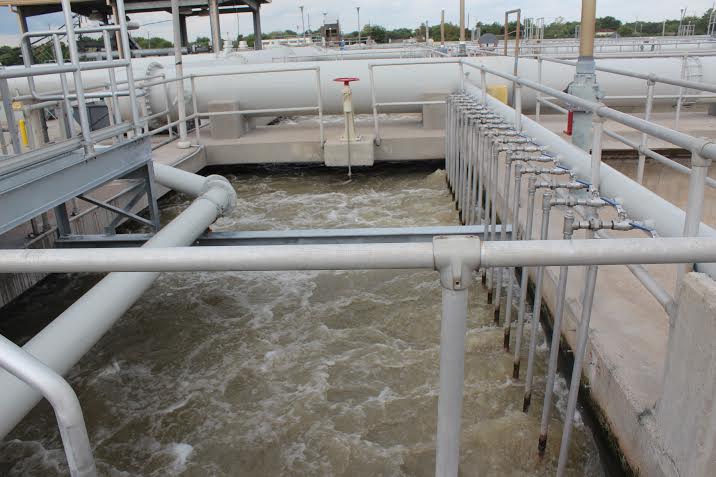 We consider wastewater treatment as a water use because it is so interconnected with the other uses of water. Much of the water used by homes, industries, and businesses must be treated before it is released back to the environment.
If the term "wastewater treatment" is confusing to you, you might think of it as "sewage treatment." Nature has an amazing ability to cope with small amounts of water wastes and pollution, but it would be overwhelmed if we didn't treat the billions of gallons of wastewater and sewage produced every day before releasing it back to the environment. Treatment plants reduce pollutants in wastewater to a level nature can handle.
Wastewater is used water. It includes substances such as human waste, food scraps, oils, soaps and chemicals. In homes, this includes water from sinks, showers, bathtubs, toilets, washing machines and dishwashers. Businesses and industries also contribute their share of used water that must be cleaned.
Wastewater also includes storm runoff. Although some people assume that the rain that runs down the street during a storm is fairly clean, it isn't. Harmful substances that wash off roads, parking lots, and rooftops can harm our rivers and lakes.
If wastewater is not properly treated, then the environment and human health can be negatively impacted. These impacts can include harm to fish and wildlife populations, oxygen depletion, beach closures and other restrictions on recreational water use, restrictions on fish and shellfish harvesting and contamination of drinking water. Here are some examples of pollutants that can be found in wastewater and the potentially harmful effects these substances can have on ecosystems and human health:
 decaying organic matter and debris can use up the dissolved oxygen in a lake so fish and other aquatic biota cannot survive; excessive nutrients, such as phosphorus and nitrogen (including ammonia), can cause eutrophication, or over-fertilization of receiving waters, which can be toxic to aquatic organisms, promote excessive plant growth, reduce available oxygen, harm spawning grounds, alter habitat and lead to a decline in certain species; chlorine compounds and inorganic chloramines can be toxic to aquatic invertebrates, algae and fish; bacteria, viruses and disease-causing pathogens can pollute beaches and contaminate shellfish populations, leading to restrictions on human recreation, drinking water consumption and shellfish consumption; metals, such as mercury, lead, cadmium, chromium and arsenic can have acute and chronic toxic effects on species.